

Build a Career as a SOC Analyst: Your Pathway to a Cybersecurity Career
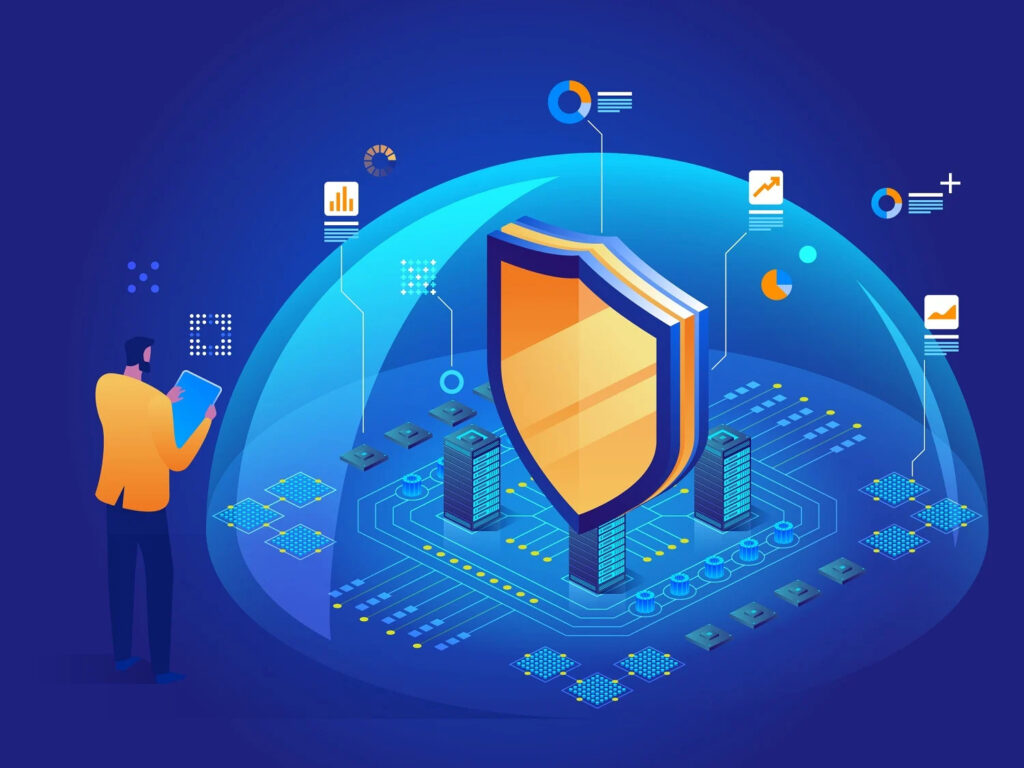
Cybersecurity is becoming one of the most important areas of IT in a world that is becoming more and more digital. Every company, from start-ups to multinational corporations, deals with cyber risks on a regular basis. Businesses depend on Security Operations Center (SOC) analysts, the unsung heroes who operate in the background to safeguard sensitive data and digital assets, to defend against these threats.
One of the greatest ways to get started and advance in the highly sought-after subject of cybersecurity is to become a SOC Analyst.
SOC Analysts: Who Are They?
Real-time monitoring, detection, analysis, and response to security incidents are the responsibilities of a cybersecurity specialist known as a SOC Analyst (Security Operations Center Analyst).
They serve as the first line of defense against online attacks, guaranteeing the security of data, systems, and networks. In a dedicated Security Operations Center, SOC analysts usually work in shifts, handling security tool alerts and responding to any breaches.
Why Pick a SOC Analysis Career?
The growing frequency of cyberattacks around the world has increased need for cybersecurity experts, particularly SOC analysts. This is why this line of work is both fulfilling and secure for the future:
High Demand Across Industries: To protect data, any institution handling data, including banks and hospitals, needs qualified SOC specialists.
Strong Career Growth: After accumulating experience, SOC analysts frequently transition into more senior positions like Threat Hunter, Incident Responder, or Security Engineer.

Attractive Salary Packages: Even in entry-level roles, SOC analysts receive competitive compensation due to the shortage of cybersecurity skills.
Constant Learning: Because cyberthreats are constantly changing, the work is both intellectually challenging and full of chances to pick up new skills and methods.
Global Opportunities: Your skills will be in demand worldwide due to the universal need for cybersecurity.
A SOC Analyst’s Primary Duties
SOC analysts carry out a number of vital tasks in cybersecurity operations, such as:
- Real-time monitoring of security logs and alarms
- identifying and evaluating possible online dangers
- Reacting to events and reducing hazards
- Analyzing the underlying causes of security breaches
- Security tool tuning and updating to identify emerging risks
- Notifying management or analysts at a higher level about events
In essence, SOC analysts make sure that businesses are able to react to security events in a timely and efficient manner.
Skills Required to Become a SOC Analyst:
You will need both technical know-how and analytical thinking to succeed as a SOC analyst.
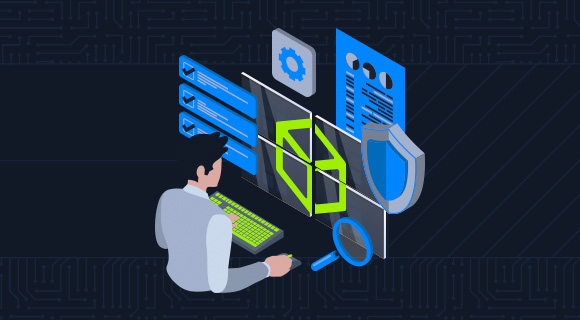
Technical Skills:
- Basics of networking (TCP/IP, DNS, VPNs, firewalls)
- Operating systems, such as Linux and Windows
- Tools for Security Information and Event Management (SIEM), such as ArcSight, Splunk, or QRadar
- Intrusion detection systems and threat intelligence platforms (IDS/IPS)
- Simple scripting in PowerShell and Python
- Malware analysis and incident response
Soft Skills:
- Problem-solving and analytical skills
- Paying close attention to details
- Interaction and cooperation
- Flexibility and a desire to learn
Getting Started as a SOC Analyst
Here is a detailed road map to get you going:
- Learn the fundamentals of operating systems, networking, and cybersecurity to establish a solid IT foundation. CompTIA Security+ and other certifications might be excellent places to start.
- Discover Cybersecurity Tools: Gain practical knowledge about firewalls, vulnerability scanners, antivirus software, and SIEM platforms.
- Become Certified: For those who want to work as SOC analysts, popular certifications include:
- CompTIA CySA+ (Cybersecurity Analyst)
- EC-Council Certified SOC Analyst (CSA)
- Certified Ethical Hacker (CEH)
- Splunk Certified Power User
- Practice in Real Environments: To model SOC situations and incident response, use laboratories such as TryHackMe, Hack The Box, or Blue Team laboratories Online.
- Apply for Entry-Level Jobs: To obtain real-world experience, start with positions like security intern, IT support engineer, or junior SOC analyst.
- Continue Learning and Developing: Keep abreast of new technologies and threats since the cybersecurity world is constantly changing.
Future Prospects for SOC Analysts

The function of SOC analysts is changing as businesses shift to automation, cloud infrastructure, and AI integration. To keep ahead of attackers, modern SOCs increasingly integrate threat intelligence, automate incident response, and leverage AI-driven detection.
In 2025 and beyond, SOC analysts will be a crucial component of the cybersecurity ecosystem since human skills cannot be replaced.
Get Future Ready with SOC Analyst by choosing it from Cloud Upskill!
They offer:
- Structured, Industry vetted Curriculum
- Live Classes with Expert Trainers
- E-Learning & Recorded Classes
- 1:1 Mentorship & Mock Interviews
- Placement Assistance
- Tab Learning Facility
- Assessments tests
Conclusion
One of the greatest methods to get started in the cybersecurity field is to become a SOC analyst. The position is dynamic, significant, and future-proof since it blends technology, problem-solving, and real-time defense.
Start your path to becoming a SOC Analyst today if you have a strong desire to safeguard digital systems and keep ahead of cyberattacks. This will allow you to assume one of the most important and esteemed positions in cybersecurity.